 Quantix
Quantix
Quantix
Engineered for low-latency compute workloads, high thermal resilience, and strict voltage safety parameters required by Pakistani networks and enterprise servers.
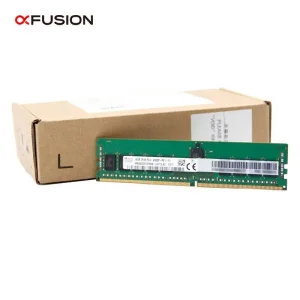
Pakistan Datacenter Grade | High-Speed 3200MHz | Low Heat Signature
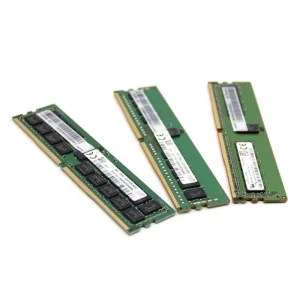
Advanced ECC Architecture | Voltage Drop Resistant | High Integrity
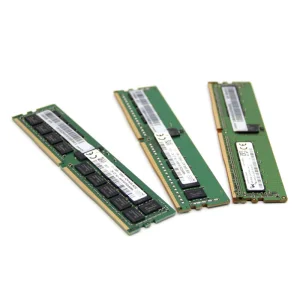
Multi-capacity Configuration | Dual Rank Optimization | High Compatibility
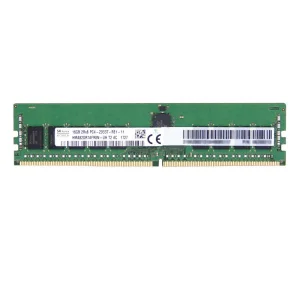
OEM Memory Module | High-density DRAM Integration | Server Optimization
Pakistan is undergoing a rapid digital revolution, driven by the expansion of the China-Pakistan Economic Corridor (CPEC) initiatives, localized telecom expansions by PTCL and Telenor, and the launch of Special Technology Zones (STZAs) across Islamabad, Lahore, and Karachi. As the nation transitions to modern e-governance, digital banking, and AI-enabled logistics platforms, local data centers require hardware that guarantees 99.99% uptime.
However, Pakistani infrastructure operators face unique localized environmental challenges. Power grid instability, load shedding, high relative ambient humidity, and summer temperatures regularly exceeding 40°C create a punishing operational climate. Standard desktop memory fails under high thermal loads, making enterprise-grade Server RAM with ECC (Error-Correcting Code) and robust thermal shields a mandatory requirement for keeping mission-critical systems operational.
When voltage shifts occur during transition cycles in local power stations, standard unregistered memory modules suffer from single-bit errors. In a production cluster running in Karachi's financial district, a single-bit flip can cause database corruption, kernel panic, or complete service disruption.
Our factory-certified DDR4 RDIMM modules operate at an ultra-low 1.2V profile, reducing heat output by 20% compared to legacy 1.5V modules. Integrated Register Clock Drivers (RCD) reconstruct clean control signals, compensating for physical motherboards signal degradation over long memory traces.
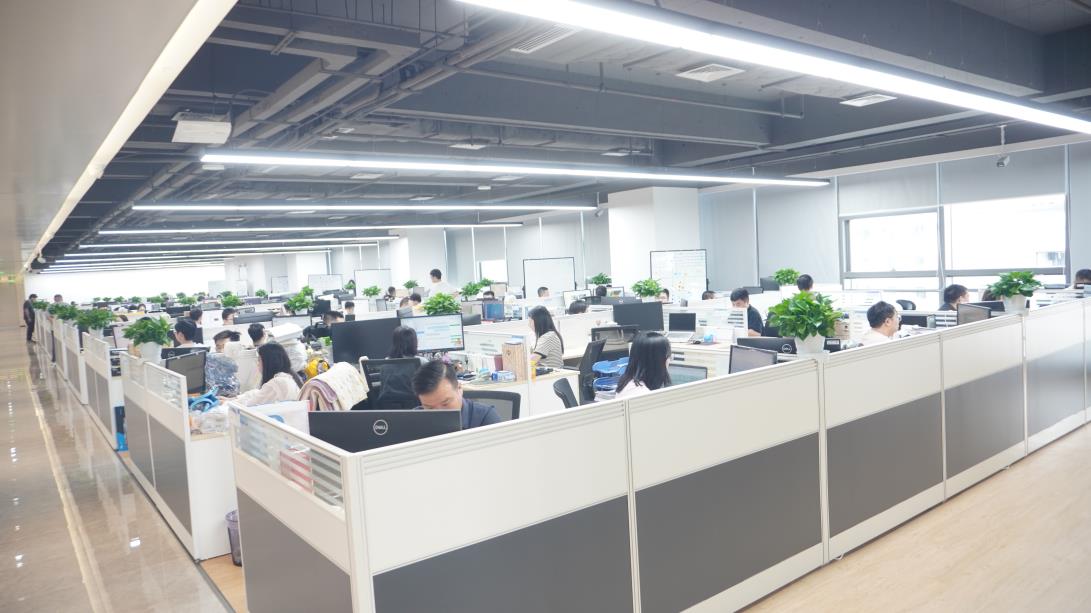
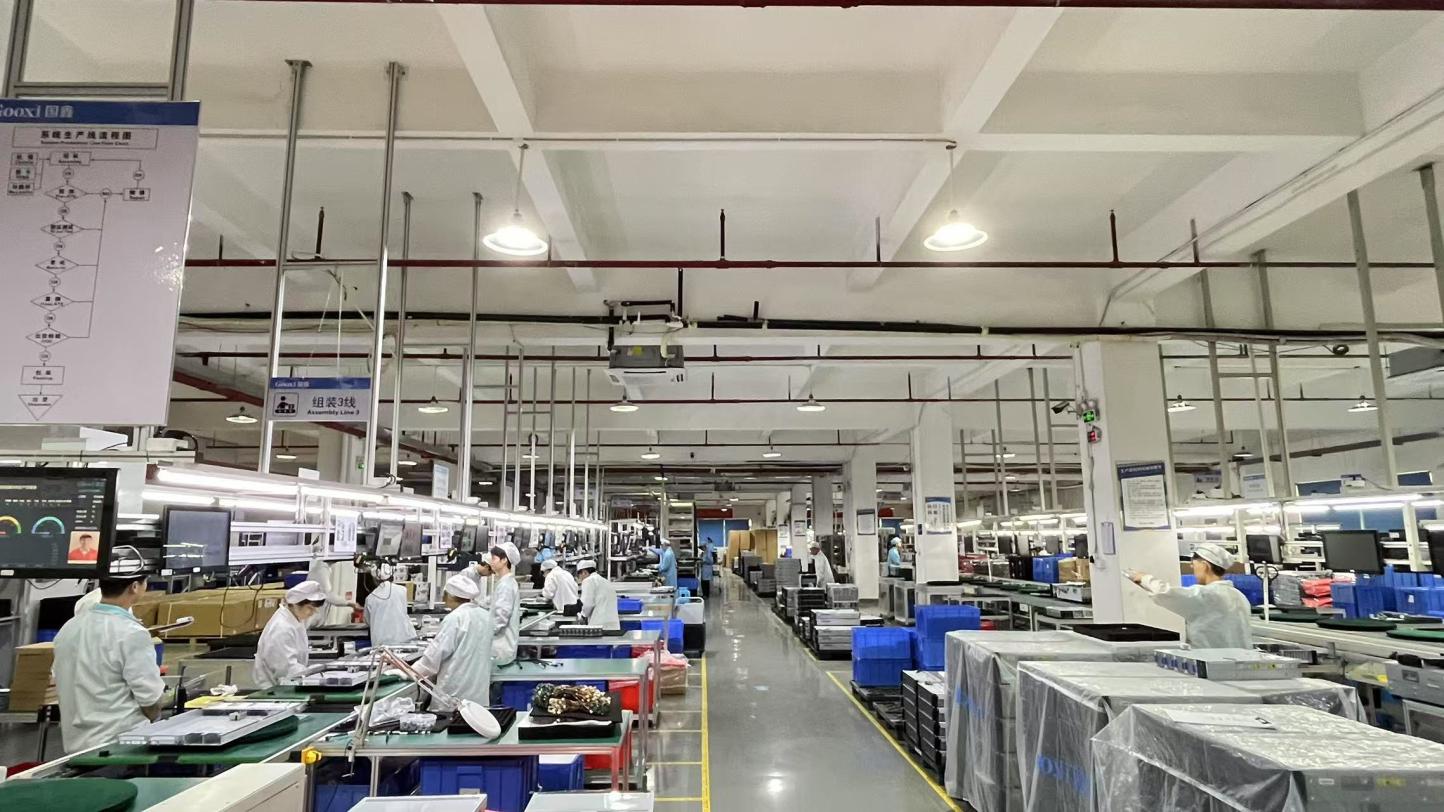
Combining deep industrial engineering expertise, state-of-the-art Shenzhen supply chains, and robust regulatory compliance to deliver performance-matched RAM directly to Pakistani IT hubs.
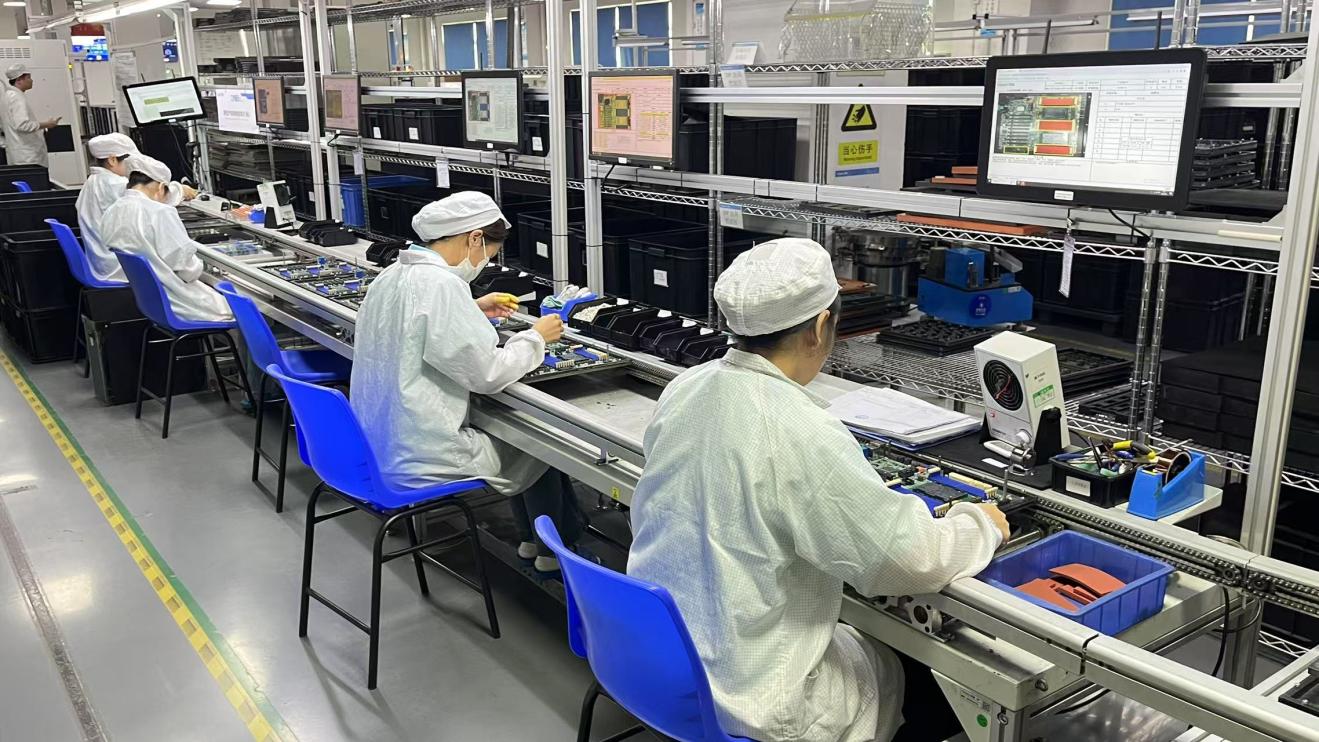
Founded in 2017, Quantix Intelligent Computing Co., Ltd. has established itself as a leading GPU server manufacturer and high-performance computing component provider. Operating from a modern facility in China, we leverage a network of over 850 supply chain partners to source tier-1 original DRAM dies (Samsung, SK Hynix, and Micron).
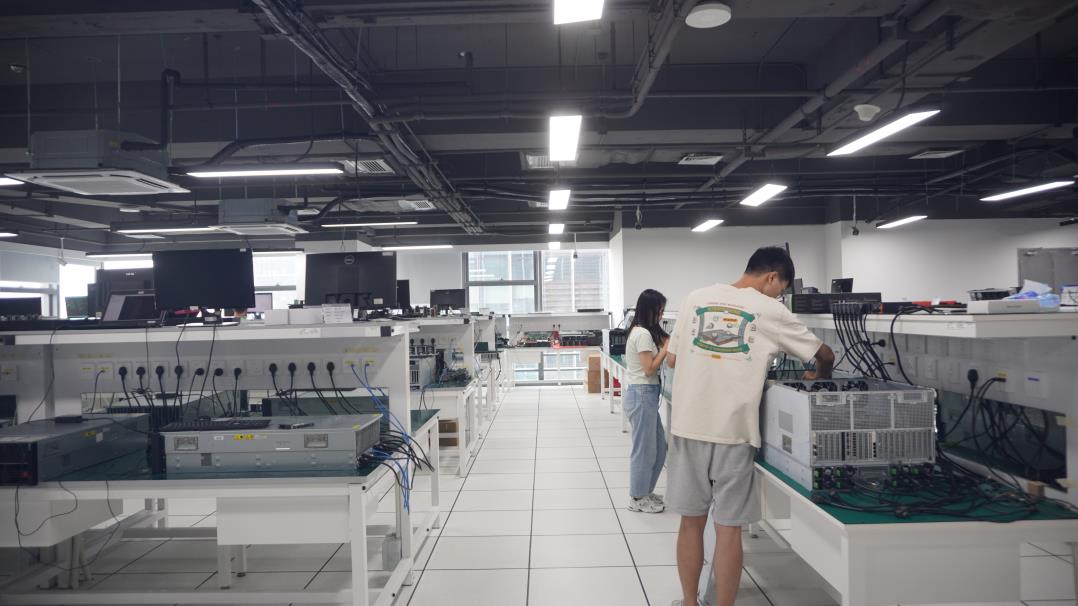
Every single Server RAM module exported to the Pakistan market undergoes 100% test coverage. This includes intensive dynamic burn-in testing at elevated temperatures, signal integrity benchmarking using high-frequency oscilloscopes, and real-system physical compatibility validation with popular enterprise platforms including xFusion FusionServer, Dell PowerEdge, and HPE ProLiant boards.
By utilizing trade-agreement pathways under CPEC, Quantix offers streamlined logistics profiles for Pakistani importers. We handle the technical certification paperwork, custom declarations, and standard compliance parameters needed at Karachi ports.
This reduces clearing lead times by up to 35%, ensuring that upgrades for data centers in Punjab, Sindh, or Islamabad are delivered exactly when scheduled, protecting project timelines.
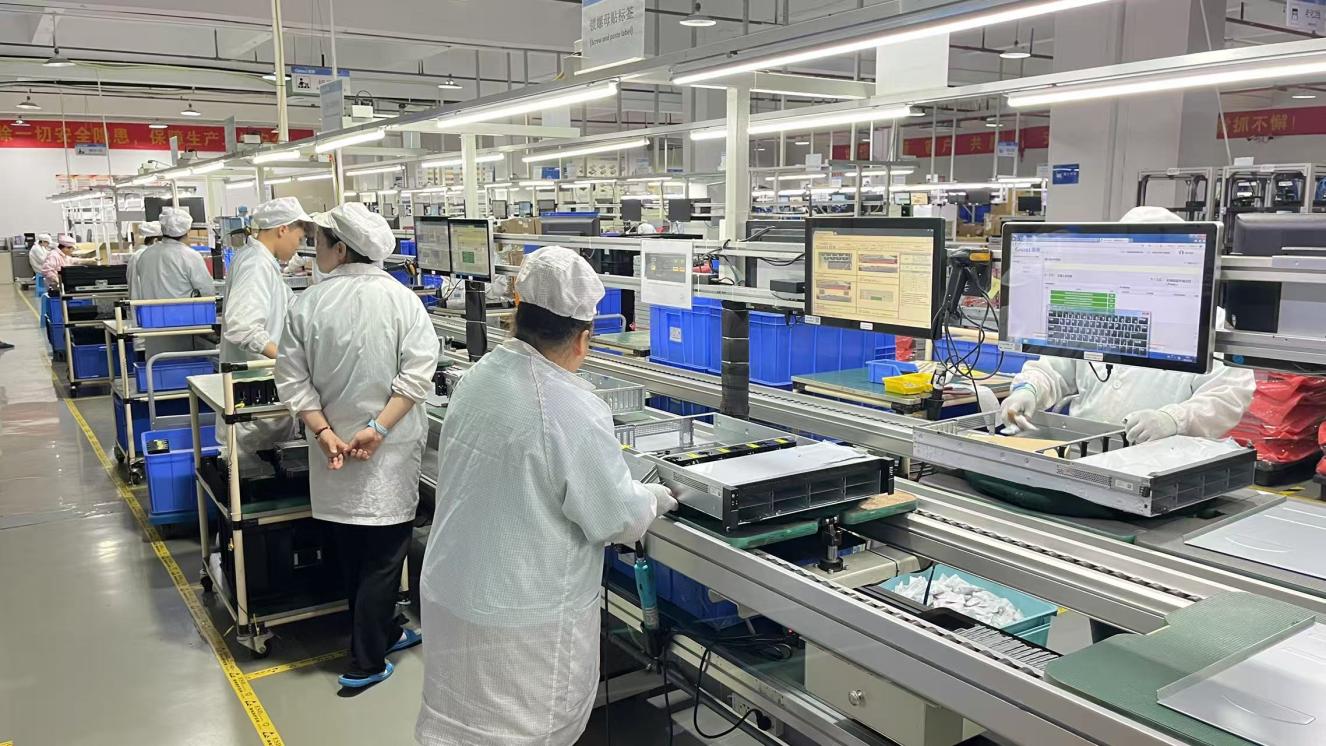
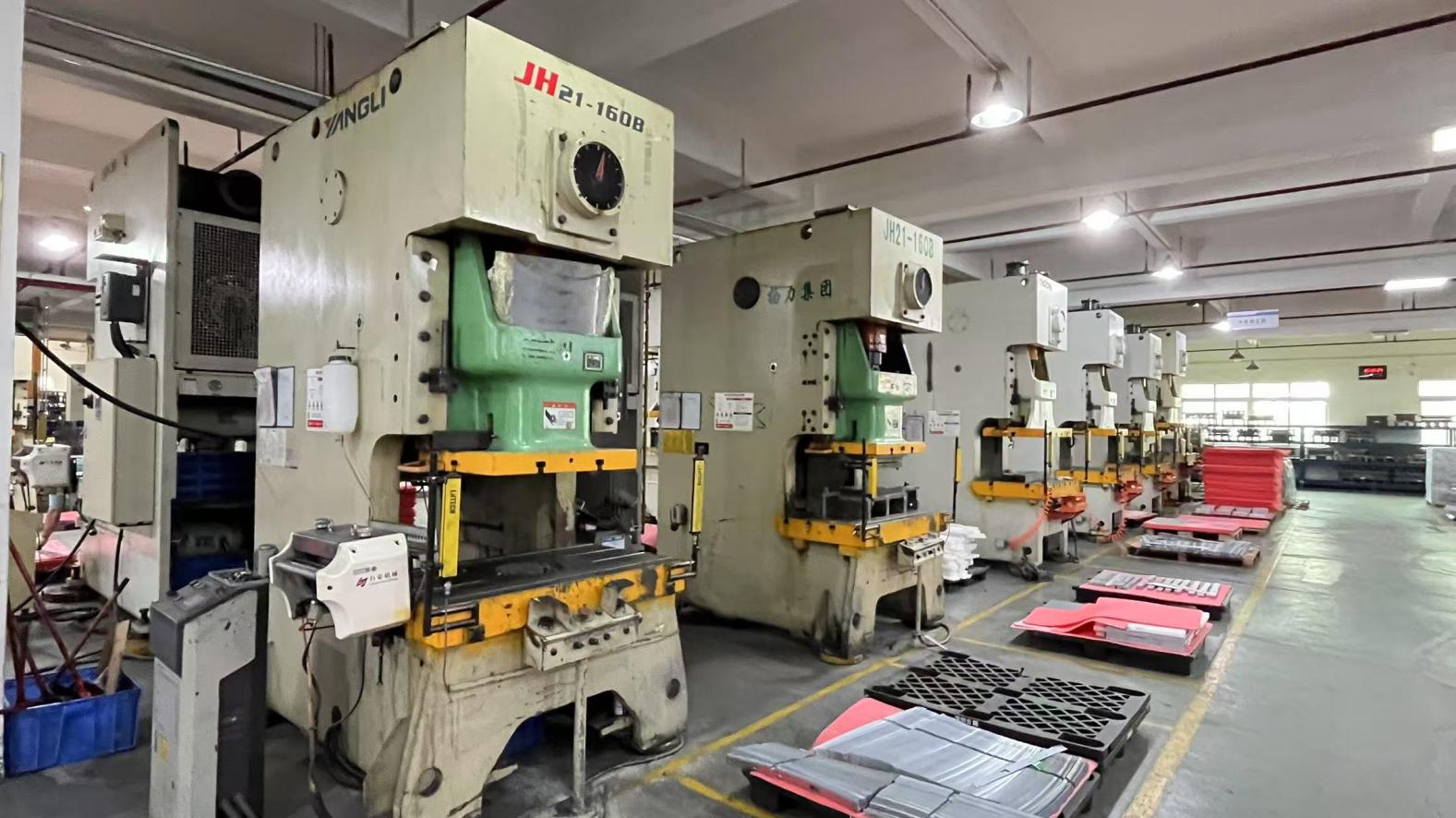
In addition to raw memory modules, our high-density architecture design extends to complete computing nodes. These servers are fully validated with our factory memory modules to maximize throughput and ensure complete system compatibility.

Heavy Storage Node | Dual Socket Xeon | Highly Scalable Memory Array
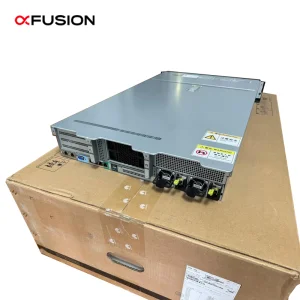
AI Acceleration & DeepSeek Compatible | 2U Rack Optimization
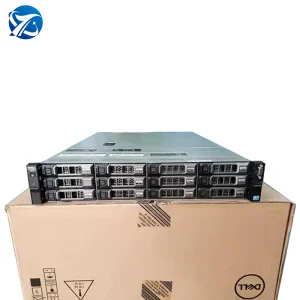
Dense 1U Profile | Intel Xeon Scalable | High Efficiency Virtualization
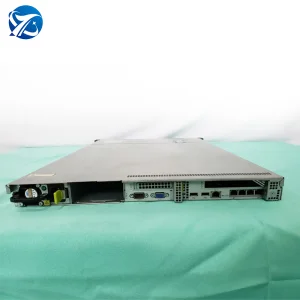
Balanced 1U Server | High Speed Storage Array | Reliable Hosting Node
Enterprise compute requirements vary substantially by industry vertical. Below are the optimized deployment architectures designed by our engineering department for common Pakistani workloads:
Financial services and ERP deployments require zero transactional delays and absolute data safety. We configure dual-socket platforms with 512GB of DDR4 3200MHz ECC Registered memory (using 2-rank architecture).
This layout maximizes channel throughput across the memory controller, ensuring zero latency spikes for database operations and real-time processing applications.
Edge communication nodes in rural districts lack the refined dust and climate protection of primary regional datacenters. Our memory modules utilize anti-sulfuration resistors and conformal coatings.
This protects vulnerable copper tracks on the PCB from corrosion and high humidity environments, reducing site visits and hardware maintenance requirements.
Academic research centers training localized LLMs and computer vision networks depend on massive throughput. We deploy GPU-heavy servers loaded with ultra-low latency RAM (0.625ns access latency).
This high speed allows CPU pipelines to feed GPU arrays efficiently, removing data bottlenecks and accelerating AI model training runs.
Importing technical equipment into Pakistan requires careful planning around customs, tariffs, and certifications. To help procurement teams navigate the process smoothly, we have outlined the core considerations:
Most shipments to Pakistan enter through the Karachi Port (KICT/SAPT) or Gwadar Port. For urgent infrastructure expansions, air freight via Islamabad (ISB) or Lahore (LHE) airports is recommended. Quantix provides complete commercial invoices, packing lists with detailed net weights, HS codes (8473.30.90 for memory modules), and certificates of origin (Form FTA) to minimize processing time.
Pro Tip: Registering your procurement under Special Technology Zone Authority (STZA) guidelines can grant exemptions from custom duties and sales tax on computing hardware imports.
A critical factor in memory procurement is the warranty structure. Our server RAM includes a 3-year replacement warranty. Since returning components to China can take time due to export-import procedures, we offer local system integrators a 1% buffer stock on large volume purchases. This ensures immediate replacement parts are available on-site, maintaining uninterrupted data center operations.
Explore our wider enterprise hardware ecosystem, designed for complete integration with high-performance memory modules.

2U 4-Socket Platform | High-Density Compute | Scalable Storage Bays
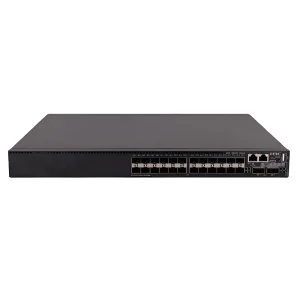
10G/40G Uplinks | Layer 3 Core Routing | High-Throughput Switching
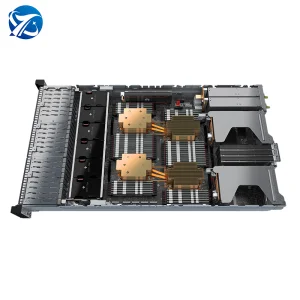
Dual CPU Installed | 64GB Factory RAM | Virtualization Ready Node
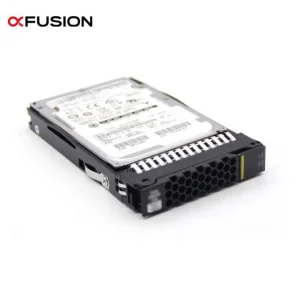
High Durability SSD | Read Intensive Profiles | Enterprise SATA III
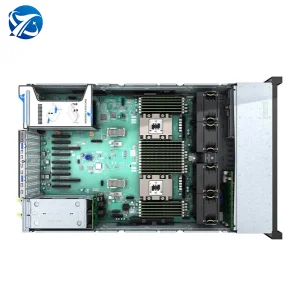
Mission Critical Architecture | High Core Density | Resilient Power Supplies
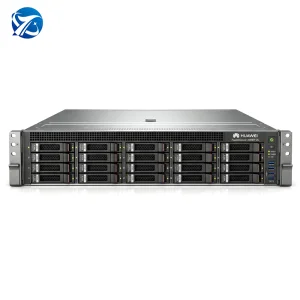
Business Intelligence Optimization | Extreme Analytics Throughput
Dynamic ECC | High-density DRAM array | Stable 1.2V Operation
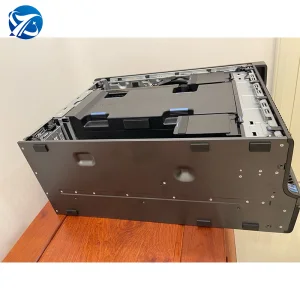
Heavy 4U Rack Frame | Multi-Socket Xeon Scalable | Data Core
Find detailed answers to key technical questions about choosing, installing, and optimizing server memory in local computing environments.
Registered DIMMs (RDIMMs) include a hardware Register Clock Driver (RCD) chip that buffers command and address signals between the memory controller and the DRAM chips. This reduces electrical load on the system bus, allowing data centers to populate more memory slots per channel without causing signal instability. Unbuffered DIMMs (UDIMMs) lack this buffer, limiting their capacity and rendering them unsuitable for multi-socket enterprise servers running mission-critical database workloads.
Error-Correcting Code (ECC) memory uses an extra memory chip (72-bit bus width instead of 64-bit) to store parity data. The system memory controller uses this parity to perform real-time Hamming code algorithms. If a voltage fluctuation causes a single-bit flip (changing a 0 to a 1), ECC detects and corrects the error on the fly without system downtime. If a double-bit error occurs, ECC reports the error to the OS to trigger a clean halt, preventing incorrect data from being written to your persistent storage arrays.
Yes. While our modules are optimized for 3200MHz operational frequencies (matching Gen 3/Intel Xeon Ice Lake and Gen 4 Sapphire Rapids specs), they are backward compatible with older processors. When installed on motherboards using Skylake (Gen 1) or Cascade Lake (Gen 2) Xeon CPUs, the system BIOS will automatically down-clock the memory bus speed to 2666MHz or 2933MHz to maintain stable operations.
Quantix handles the necessary documentation, including HS Code classification (8473.30.90), commercial invoices detailing individual unit weights, packing lists, and Certificate of Origin documents (Form FTA) under CPEC rules. We recommend importers register with the Federal Board of Revenue (FBR) and consult with a certified local customs clearing agent in Karachi to take advantage of any current IT import incentives or STZA tax exemptions.
As a general rule, mixing memory ranks (e.g., combining 1-rank and 2-rank modules) or different capacities within the same memory channel is not recommended, as it can cause timing mismatches and system instability. For maximum performance and stability, populate each channel with identical memory modules. If you need to mix configurations, always put the higher-rank module in the slot furthest from the processor socket.